Pedro D. Miranda works on decision assurance — the discipline of making consequential decisions under the judgment they will face afterward, instead of hoping they survive it.
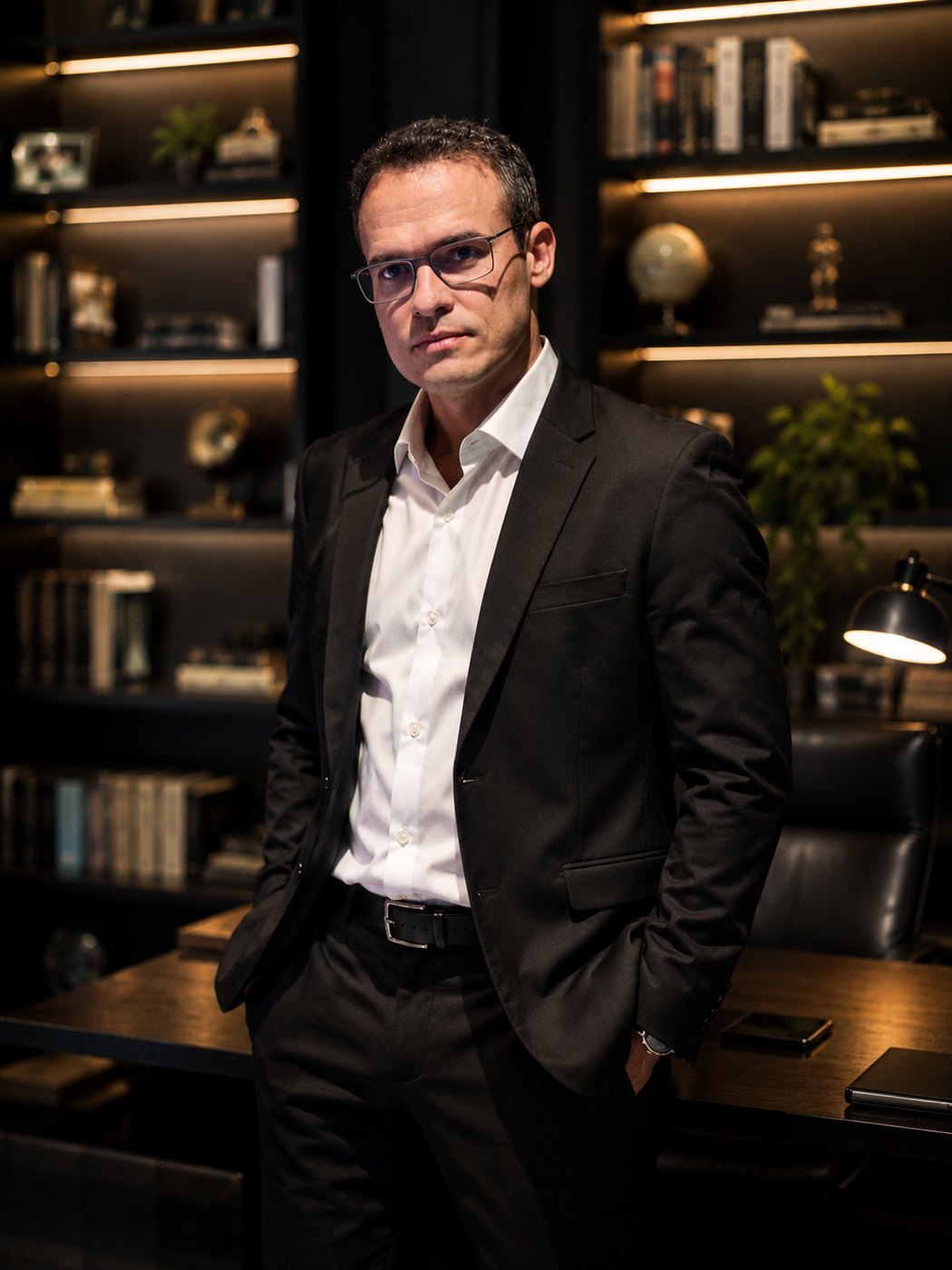
“Every consequential decision will be judged after the fact — by the board, the market, the regulator, the court. Decision assurance means making the decision under that judgment, before you make it.”
Most decisions vanish the moment they are made. No record of who decided. No trace of the criteria. No proof the evidence was ever checked. Then the judgment arrives — a review, a lawsuit, a board post-mortem, a market verdict — and the decision that could not be defended becomes debt: paid back with interest, in reversals, settlements and second-guessing.
Decision assurance is not about predicting outcomes, and it is not hindsight dressed as method. A good decision can meet a bad outcome; that is honest risk. The discipline is narrower and harder: verify the data, define the sources, fix the criteria before the case — and test the decision against its future validator while it can still be changed. The first applied arena is the one where the validator is already public and codified: health coverage decisions, where the reviewer's own criteria are published and most denials that reach a judge fail them.
Your systems are audited. Your finances are audited. Your products pass quality assurance. The most expensive thing your organization produces — its decisions — passes nothing.
That is the empty seat decision assurance fills. Not another approver rendering a verdict — a system that makes the verdict defensible: criteria set in advance, evidence with a source, reasoning on the record, and a human in command at the end of it.
Every decision — human or machine — decomposes into seven elements. It fails at its weakest one. Most were never designed at all.
The reason behind the decision — the one element allowed to carry subjectivity, as long as it is named and owned rather than hidden.
The result the decision is meant to produce — stated precisely enough that success and failure can be told apart later.
The means chosen among the viable ones — and the honest record of the alternatives that were weighed and set aside.
The nexus between action and objective, anchored in the applicable rule — legal, moral or ethical. The element courts read first.
Clear, complete and coherent — to the people it binds and the people it reaches. A sound decision poorly communicated fails in public.
The decision in motion. The gap between what was decided and what was done is where good decisions go to die quietly.
The decisive element: the decision confronted with its future validator — the law, the precedent, the data of comparable cases — before it is made, not after it is lost.
The Hidden Cost of Unprovable Decisions — and How to Stop Paying It
The Hidden Cost of Unprovable Decisions — and How to Stop Paying It.
Every decision you cannot prove is a loan against your future — and the interest compounds quietly: in reversals, in settlements, in the second-guessing that follows you into every next call. The book names the debt, and pays it down with a discipline: the Seven Elements, the future validator, and what artificial intelligence must prove before it deserves a vote.
You're in. The first chapter will find you.
Early readers get the opening chapter and the launch date. Nothing else, no noise.
Convincing.Incontestable.And unfounded.
That is the new decision entering your organization: fluent, confident, and reasoned from the inside of a model instead of from the data. It will pass every meeting. It will fail its first real judge. Testing the model is table stakes; the ancients already learned that auditing the oracle is not the same as auditing the prophecy.
Validating the model is not enough. Validate the chain between the answer and the data — or the machine's confidence becomes your debt.
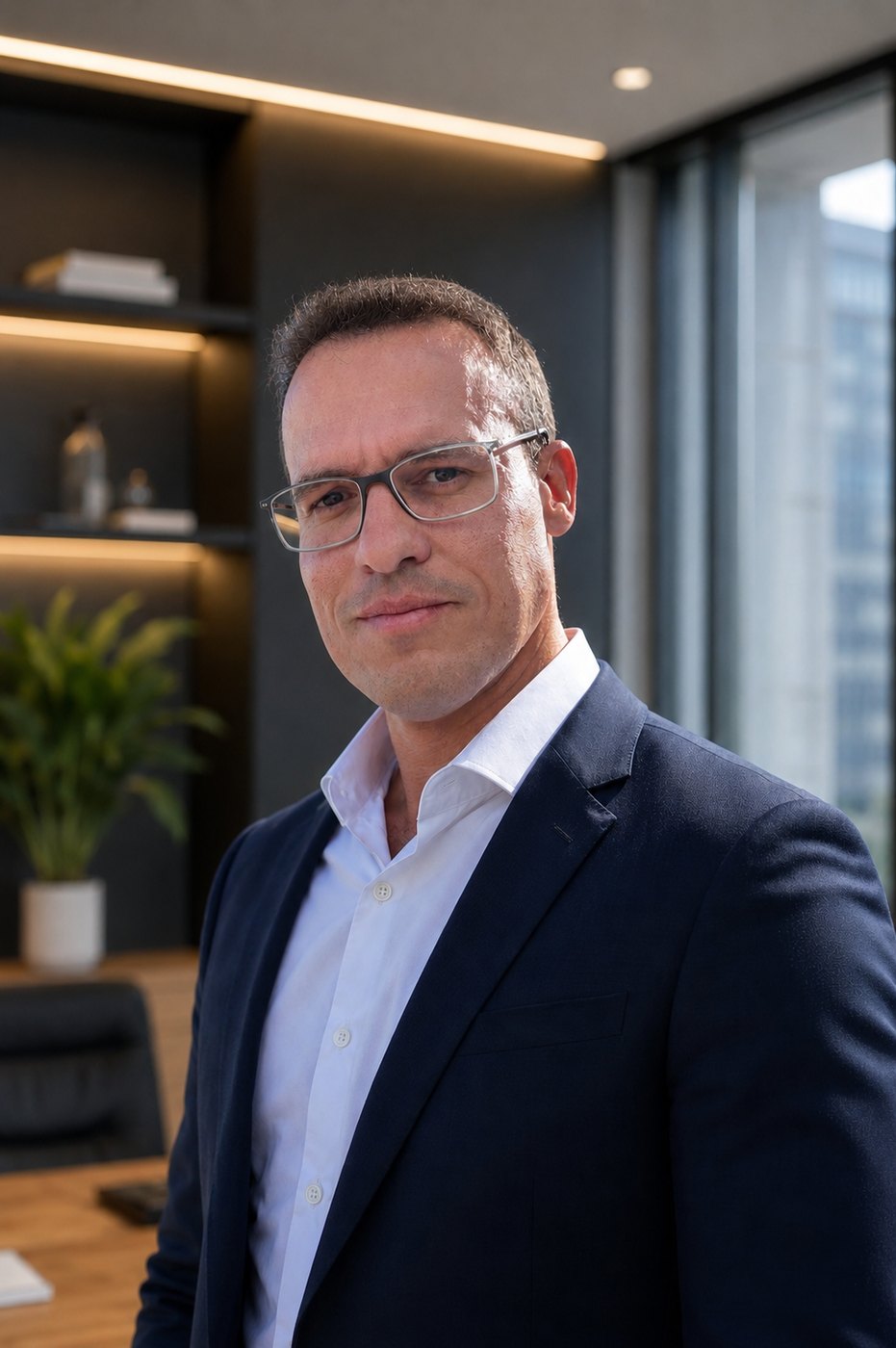
Pedro spent twenty years operating companies and sitting inside partnerships in Brazil — making consequential decisions, and living with their judgment. A Master of Laws (Brazil) with a research focus on dispute resolution and dispute boards — standing panels built to judge decisions as they are made — he works at the exact point where decisions are won or lost: the border between law and management.
His four Brazilian volumes on governance are, at bottom, one long study of how owners decide together — structure, conflict, transition and culture. Decision assurance is that study distilled into a single discipline. He is a U.S. Army veteran (Combat Engineer), and writes with an operator's scars rather than an observer's distance.
“A decision is not what you chose. It is what you can defend.”
The discipline of making a consequential decision under the judgment it will face afterward. In practice: criteria fixed before the case, sources verified, the reasoning on the record, and the decision tested against its future validator — the law, the precedent, the data of comparable cases — while it can still be changed. It never takes the decision away from you; it makes the decision you take defensible.
Neither. The premise runs the other way: the human decides, and the system exists to prove the decision was made well. That includes the machines at your table — decision assurance is precisely what artificial intelligence must pass before its answers deserve weight: not fluency, but a verifiable chain between the answer and the data.
All three, in that order. The book — Decision Debt — names the discipline and its seven elements. The method is being applied first where the validator is public and codified: coverage decisions in health care. Advisory and speaking engagements are deliberately few; the inquiry form below reaches Pedro directly.
No. Pedro works as an author and advisor on decision governance. He holds a Master of Laws from Brazil and is not licensed to practice law in the United States; nothing here is legal advice. Where legal counsel is needed, he works alongside your own licensed attorneys rather than replacing them.
A briefing for your board or event, an advisory conversation, or a question about the book. Pedro personally reviews every inquiry and replies to those that fit.
Received. Pedro will be in touch personally if it's a fit.
Confidential. Your inquiry goes directly to Pedro's office — no list, no spam.
Pedro D. Miranda is an author and governance advisor, not a U.S.-licensed attorney. Sending this inquiry does not create an attorney-client relationship, and nothing on this page is legal advice.
The judgment on your decision is coming either way — the review, the board, the market, the court. The only choice is whether the decision meets it prepared.